
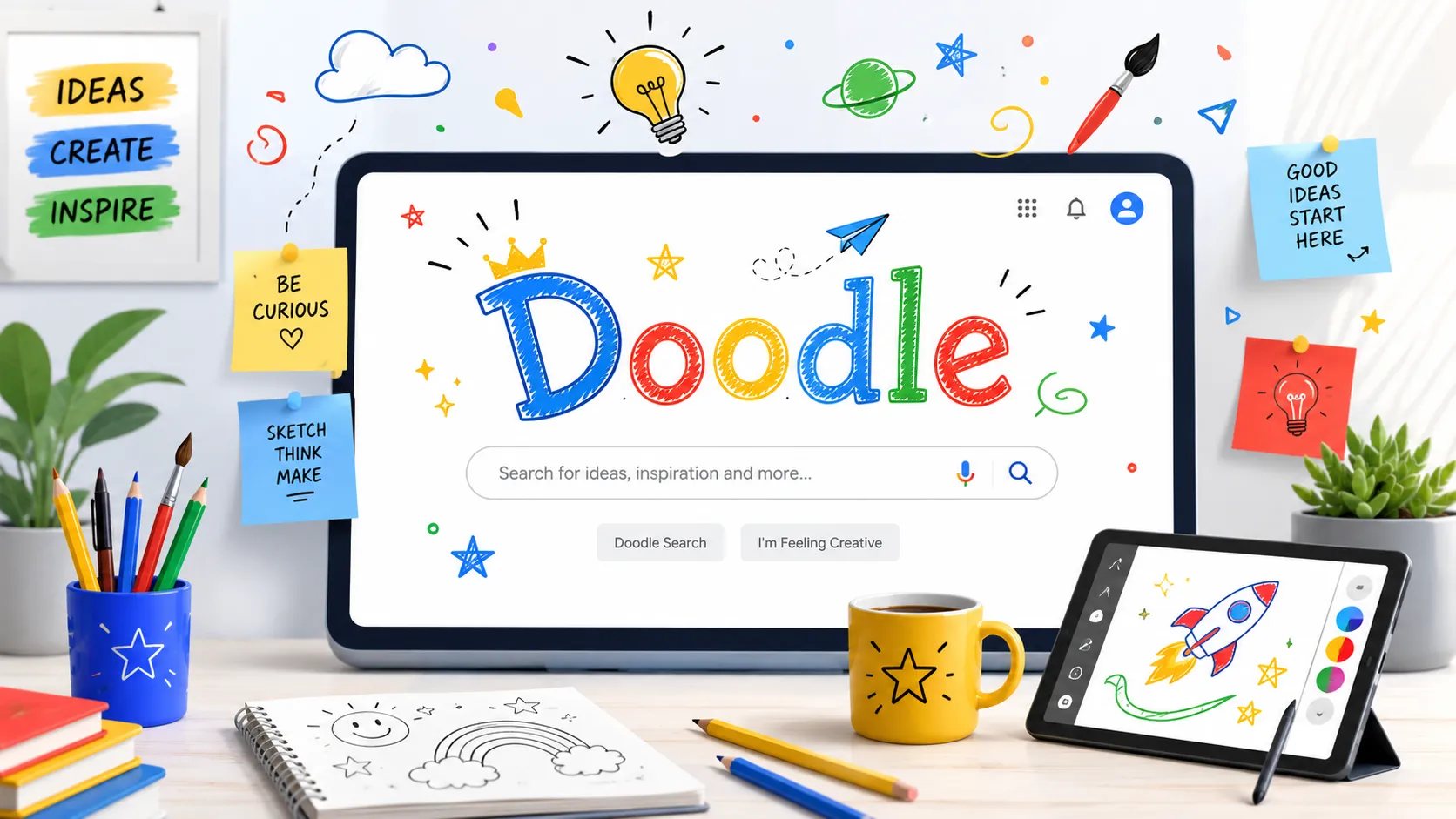
Ever opened Google and thought, “Wait… why is the logo suddenly a game, a painting, or a tiny history lesson wearing a party hat?” That surprise is usually a doodle, and it is one of the most charming things hiding in plain sight on the internet.
Today, we are answering the big search question: what is doodle for google? Spoiler: it is part art, part tech, part student creativity contest, and part “Google had fun again.”
What Is a doodle?
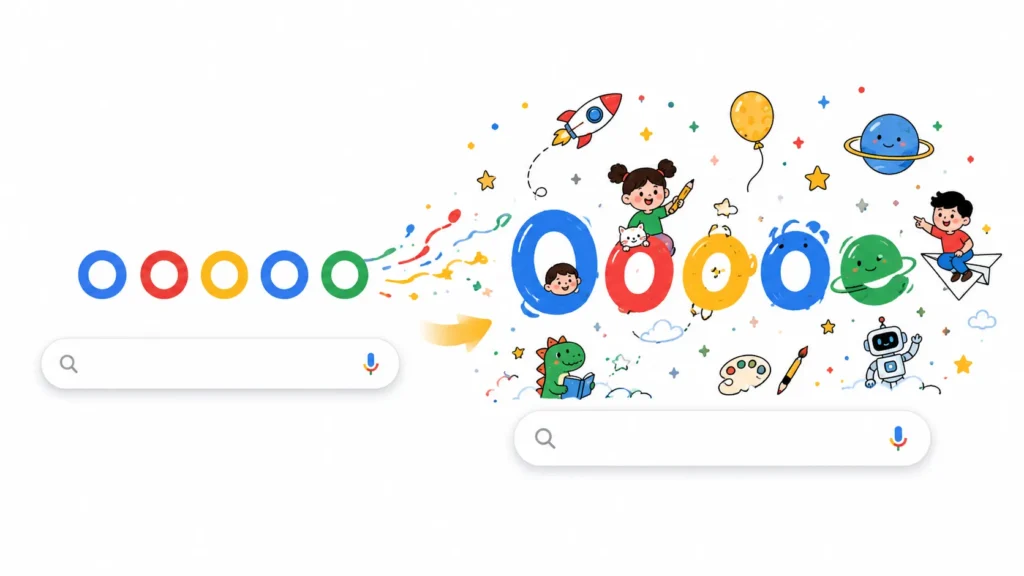
A doodle is a special creative version of the Google logo that appears on Google’s homepage to celebrate something. It might honor a famous person, a historic event, a holiday, a scientific discovery, a cultural moment, or sometimes just something delightfully unexpected.
Instead of the normal Google logo, you may see illustrated letters, animated characters, interactive games, music, mini-stories, or visual tributes. Some doodles are simple and elegant. Others are so interactive that you accidentally spend ten minutes playing them and then pretend you were “researching.”
In normal life, a doodle is usually a quick little drawing you make while thinking, waiting, or avoiding your to-do list. In Google’s world, it becomes a polished piece of visual storytelling.
The most important idea is this: a Google doodle turns a search page into a tiny cultural moment.
Why Does Google Make Doodles?
Google uses doodles to make its homepage feel alive. A search engine could be boring: white page, logo, search bar, done. Efficient? Yes. Exciting? About as thrilling as a printer manual.
Doodles add surprise. They give people a reason to pause before searching “how long do leftovers last” or “why is my phone making spaceship noises.”
They also help introduce millions of users to people, inventions, and events they may not know. One day you might learn about a scientist. Another day you might discover a musician, artist, activist, sport, festival, or old-school video game.
Doodles work because they combine three powerful ingredients:
- Curiosity: “Why does the logo look different today?”
- Emotion: “Oh, that’s beautiful, funny, or nostalgic.”
- Discovery: “I did not know about this person or event.”
That is great design. It is also very clever content marketing, but in a way that does not feel pushy.
What Is Doodle for Google?
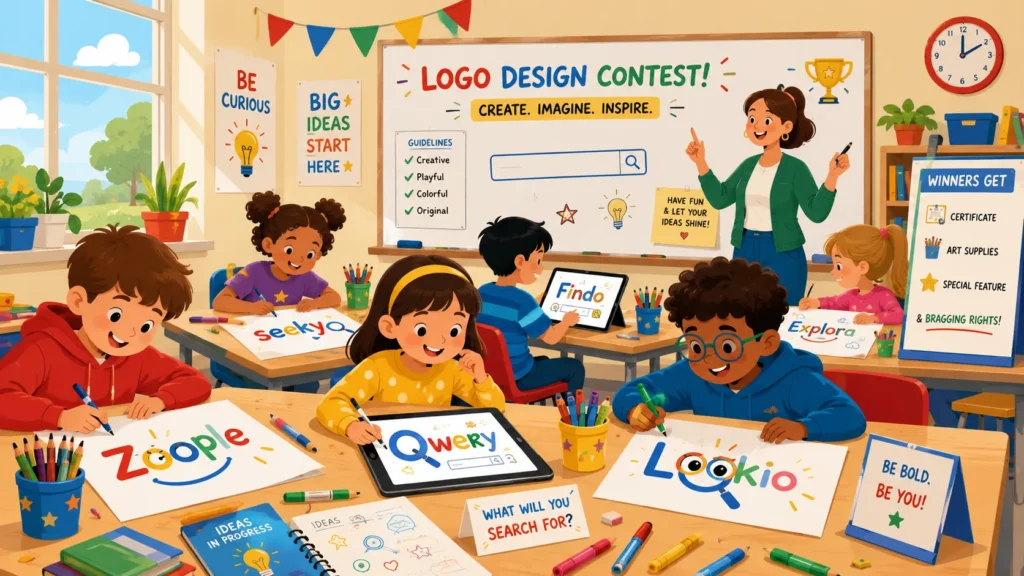
Doodle for Google is a student art contest where young creators design their own version of the Google logo based on a theme. The exact details can vary by country and year, but the heart of the contest stays the same: students create original artwork and submit it for a chance to be recognized by Google.
The official Doodle for Google FAQ explains the contest as an opportunity for students to create their own Google doodle and potentially have it featured on Google’s homepage. You can explore the official details here: Doodle for Google FAQ.
This is where things get especially cool. Instead of professional designers being the only ones who get to remix the Google logo, students can jump in with pencils, paint, tablets, crayons, markers, or whatever creative tool does not currently have glitter stuck to it.
Doodle for Google is basically the moment where classroom creativity gets invited onto one of the most viewed digital stages in the world.
How Does Doodle for Google Work?
The structure is usually simple: Google announces a theme, students create artwork based on that theme, and entries are submitted for judging. The theme changes, which keeps the contest fresh and gives students a clear creative direction.
A student’s doodle is not just about drawing pretty letters. It usually needs to tell a story. That story could be personal, hopeful, funny, emotional, futuristic, or deeply meaningful.
Most entries include:
- An original visual design
- A creative interpretation of the annual theme
- The Google logo or letters worked into the artwork
- A short description explaining the idea
- Student and school or guardian submission details
The strongest entries usually do more than look good. They communicate something. They make the viewer feel, think, smile, or say, “Okay, that kid has more imagination than my entire notes app.”
Why Is Doodle for Google So Popular?
Doodle for Google is popular because it feels accessible. You do not need to be a professional artist. You do not need a giant studio. You do not need a glowing sci-fi tablet that costs more than a small vacation.
You need an idea.
That makes the contest exciting for students, parents, teachers, and schools. It turns creativity into something visible and celebrated. It also connects art with technology, which is a very modern mix.
The contest is also popular because the reward is not only about prizes. The bigger dream is visibility. Having your artwork connected with Google’s homepage is a huge “look mom, I’m on the internet, but in a good way” moment.
The magic is that Doodle for Google makes creativity feel important, public, and worth celebrating.
Is a Google Doodle the Same as Doodle for Google?
Not exactly. A Google Doodle is the special logo artwork that appears on Google’s homepage. Doodle for Google is the contest where students create their own Google-style doodles.
Think of it like this:
- Google Doodle: The finished artwork or interactive logo you see on Google.
- Doodle for Google: The student contest where young artists submit their own designs.
- Google Doodles archive: The place where people can explore past doodles.
So, if someone asks “what is doodle for google?” they are usually asking about the contest. If they ask “what is today’s Google Doodle?” they are asking about the special homepage logo of the day.
Tiny wording difference. Big meaning difference. English likes to keep us humble.
What Makes a Great Doodle?
A great doodle is not just a random drawing squeezed around the Google letters. It has a concept. It has personality. It has a reason to exist beyond “I found five colors and went wild.”
The best doodles usually combine creativity with clarity. You should understand the idea quickly, even if there are clever details to discover later.
A strong doodle often has:
- A clear theme: The viewer understands the subject.
- Original storytelling: It feels personal or imaginative.
- Smart use of the Google letters: The logo is part of the art, not awkwardly glued on.
- Visual balance: It looks fun without becoming chaotic.
- Emotional impact: It makes people feel something.
And yes, chaos can be fun. But if your doodle looks like a rainbow exploded inside a drawer full of spaghetti, maybe simplify a little.
How Are Google Doodles Created?
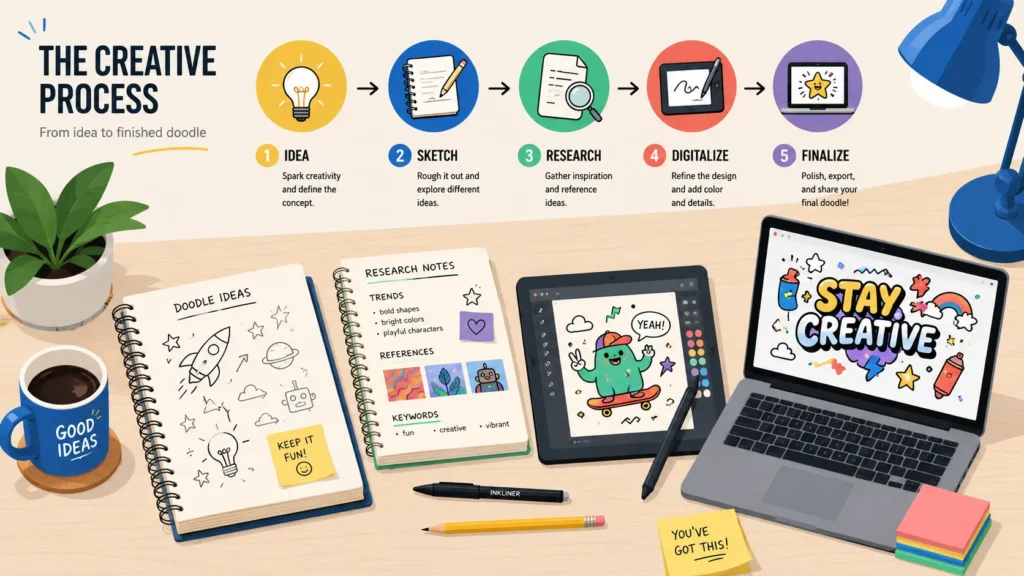
Professional Google Doodles are created through a careful process. The team researches the topic, explores creative concepts, sketches ideas, develops artwork, and sometimes builds animation or interactive elements.
A doodle might look effortless, but that is the trick. Good creative work often looks simple because a lot of complicated thinking happened behind the scenes.
The process can include artists, designers, engineers, writers, cultural experts, and sometimes people connected to the topic being celebrated. This helps the final doodle feel accurate, respectful, and visually strong.
Behind every playful doodle is a surprisingly serious creative process.
Why Do Google Doodles Matter in Tech Culture?
Google Doodles matter because they show that technology does not have to be cold or robotic. A search engine is one of the most practical tools on the internet, but doodles add personality to it.
They remind users that design can create emotion. They also prove that even a massive tech company benefits from small moments of play.
In tech culture, this is important. We often focus on speed, specs, AI models, apps, updates, and performance. Those things matter, but people also remember experiences.
A doodle is an experience. It is a small surprise that says, “Hey, before you search for tax rules or pizza coupons, here is a tiny piece of art.”
That is why doodles stick in people’s memory.
The Secret SEO Power of Doodles
Here is the funny part: doodles are not just cute. They are search magnets.
When Google changes its logo, people immediately search questions like:
- “What is today’s Google Doodle?”
- “Who is on Google today?”
- “What is Doodle for Google?”
- “Why does Google have a different logo?”
- “Can students enter Doodle for Google?”
That creates massive curiosity-driven traffic. A doodle can turn a historical person, cultural event, or student contest into a trending search topic almost instantly.
For bloggers and tech websites, that is a useful lesson. People love explainers when something visual catches their attention. If something appears on a homepage, app, feed, or lock screen and users do not understand it, they search.
The SEO lesson is simple: curiosity creates clicks, but clear explanations keep people reading.
Doodle for Google and Student Creativity
One of the best things about Doodle for Google is that it treats student imagination seriously. Kids often have bold ideas because they have not yet learned to overthink everything into a spreadsheet.
That freshness is powerful. A child might interpret a theme with honesty, humor, hope, or visual weirdness that an adult designer might never attempt.
The contest also helps students practice important creative skills:
- Visual storytelling
- Theme interpretation
- Design thinking
- Writing short explanations
- Presenting original ideas
- Connecting art with technology
These are useful skills far beyond art class. In a world full of apps, brands, AI tools, games, and digital products, creative communication matters more than ever.
A good doodle is not just “nice drawing.” It is a small design project.
Can Anyone Make a Doodle?
Anyone can make a doodle in the general sense. Grab paper, open a drawing app, use a tablet, sketch on a napkin, or decorate the edge of your notebook during a meeting. Please do not doodle on official documents unless you enjoy awkward conversations.
For Doodle for Google, eligibility depends on the specific contest rules in your country and the current year. Some contests are for certain school grades, and submission windows can change.
That is why checking the official Doodle for Google FAQ is important before entering. Rules, deadlines, prizes, age groups, and submission methods can vary.
If you are a student, parent, or teacher, the safest approach is:
- Visit the official FAQ page.
- Check eligibility and dates.
- Read the theme carefully.
- Create original artwork.
- Submit according to the current instructions.
Simple? Mostly. Picking the perfect idea? That is where your brain may open 47 tabs.
Tips for Creating a Better Doodle
A good doodle starts with the idea, not the tools. Fancy software can help, but it cannot rescue a boring concept wearing expensive pixels.
Start by understanding the theme. Ask what it means personally. Then brainstorm visual symbols that connect to your story.
Here are practical tips:
- Sketch several rough ideas first. Do not marry the first idea just because it arrived early.
- Make the Google letters part of the scene. The logo should feel integrated.
- Use color with purpose. Bright colors are great, but every color should help the mood.
- Add meaningful details. Tiny details can reward people who look closer.
- Keep the main idea readable. If nobody understands it, simplify.
- Write a strong explanation. The story behind the doodle can make the artwork more powerful.
And most importantly, do not try to copy past winners. Inspiration is good. Cloning is not. The internet has eyes, and some of them are very judgmental.
Why People Love Interactive Doodles
Some Google Doodles are more than images. They are games, animations, videos, or interactive experiences. These are often the ones people remember most.
Interactive doodles work because they turn users from viewers into participants. Instead of just looking at the homepage, people click, play, explore, and share.
That creates a stronger memory. It is the difference between seeing a cake and being handed a fork.
Interactive doodles can celebrate games, sports, music, science, and cultural events in a way that feels alive. They also show how design and code can work together to make something playful.
For a tech audience, this is the sweet spot: art plus engineering plus user experience.
What Can Bloggers Learn from Google Doodles?
Bloggers can learn a lot from doodles. The biggest lesson is that presentation matters. A familiar topic can become exciting when packaged creatively.
Google could publish plain text saying, “Today we honor this historical person.” Instead, it uses visual storytelling. That makes people curious before they even read the explanation.
For WordPress creators, this is a reminder to think beyond text. Strong images, featured graphics, short videos, and clear headings can make a huge difference.
A doodle-style content mindset means:
- Make the first impression visual.
- Give people a reason to ask questions.
- Explain the topic clearly.
- Add personality.
- Keep the experience memorable.
That is exactly what great tech content should do. Informative does not have to mean boring. Your article can teach people something and still have a little confetti cannon energy.
Frequently Asked Questions
What is Doodle for Google?
Doodle for Google is a student art contest where students create their own version of the Google logo based on a theme. Winners or finalists may receive recognition, prizes, and the chance for their artwork to be featured by Google, depending on the country and year.
What is the purpose of Google Doodles?
Google Doodles are designed to celebrate people, events, holidays, inventions, culture, and moments in history. They make the Google homepage more engaging while helping users discover interesting stories.
Who can enter Doodle for Google?
Eligibility depends on the official rules for each country and contest year. Many Doodle for Google contests are designed for school students, so parents, teachers, and students should check the official FAQ before preparing an entry.
Is Doodle for Google free to enter?
Doodle for Google contests are generally designed as student creativity competitions, but entry rules can vary by region. Always confirm the latest entry details on the official Doodle for Google FAQ page before submitting.
How do I make a good Google doodle?
Start with a clear idea that matches the theme, then build the Google letters naturally into your artwork. A strong doodle should be original, easy to understand, visually balanced, and supported by a short explanation that tells the story behind the design.
Conclusion: Why a doodle Still Feels Like Internet Magic
A doodle is small, but it can do a lot. It can teach history, celebrate culture, inspire students, entertain millions, and make a plain search page feel unexpectedly human.
Doodle for Google takes that magic one step further by inviting students to become the creators. It proves that a simple idea, drawn with heart and imagination, can become something much bigger than a sketch.
So next time Google’s logo looks different, do not just search and run. Click it. Explore it. There might be a story, a game, a genius, or a student artist hiding behind those colorful letters.
Want more fun tech explainers like this? Visit tech-play.net for easy guides, app tips, AI trends, and digital culture stories that make technology feel less confusing and way more entertaining.